At most lakes in the Kansas City area, a house that touches the water comes with the thing that makes the address worth a premium: a place to tie up a boat. At Weatherby Lake, that assumption is the first thing worth checking before you write an offer, because the lake itself isn't part of the property you're buying. It's owned and operated by a private company, and the dock sitting in the water is treated as a separate asset with its own paperwork, its own fee, and its own rules about who gets to keep it.
Since 1952, the waters of the lake, the lake bed, the dam, and the surrounding access areas have been controlled by the Weatherby Lake Improvement Company, a non-profit that functions less like a typical homeowners association and more like a private utility for water access. The City of Weatherby Lake handles roads, building permits, and what happens on land. The WLIC handles almost everything that happens once you step off it, including whether the dock you saw in the listing photos actually comes with the house.
That distinction is easy to miss on a first tour and expensive to discover after closing.
First Tier, Second Tier, and the Address That Looks Like Both
Every property at Weatherby Lake falls into one of two WLIC membership categories, plus a third label that catches buyers off guard. First Tier properties sit directly on the water. Second Tier properties don't touch the lake at all. Then there's a group of homes the WLIC flags on its own site: properties close enough to see water from the porch, sometimes marketed with lake views front and center, whose property lines stop short of the actual shoreline. WLIC calls these "Lakeview," and the distinction isn't cosmetic. A Lakeview property doesn't carry First Tier water rights no matter how the listing describes it.
For a buyer comparing three houses that all mention the lake, the tier is the fact that determines what you can actually do with the water once you own the place. It matters more than square footage, more than the finish level of the kitchen, and in a lot of cases more than the price itself.
The Dock Doesn't Come With the Address
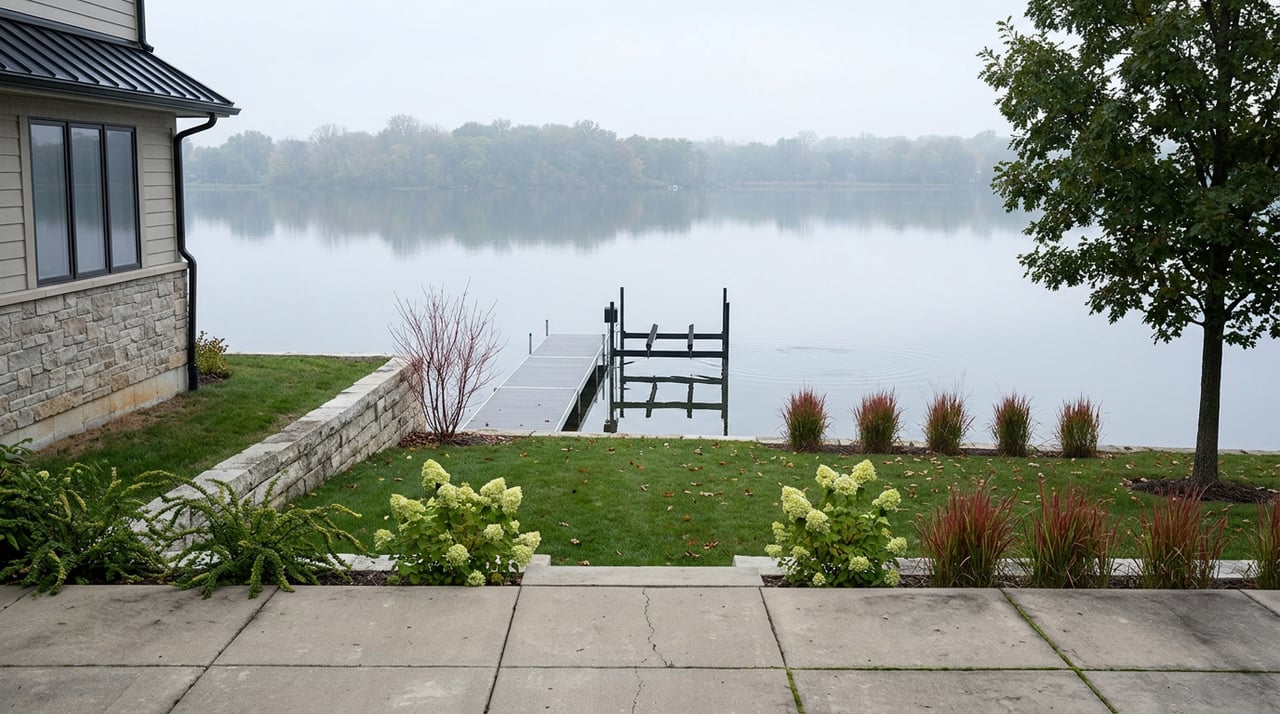
Even a genuine First Tier home doesn't automatically include a working dock in the sale. If a seller is including the existing dock structure, the buyer pays a Dock Transfer fee at closing, and the dock has to meet current code for that transfer to go through. Second Tier owners get nothing automatically. A space at one of WLIC's managed access areas around the lake becomes available to Second Tier members only as openings occur, not as a guaranteed feature of ownership.
Whether a dock transfers with a house, and whether a Second Tier buyer ever gets a slip at all, comes down to WLIC paperwork and availability, not anything written into a standard purchase contract.
For a buyer who has already pictured coffee on the deck and an evening cruise before dinner, this is the paragraph worth reading twice. A First Tier listing with a dock already in the water is not the same guarantee as owning that dock the day you close. It's a transfer, and the terms of that transfer get worked out between buyer, seller, and WLIC, not assumed from the property line on a plat map.
Buying the House Can Reset the Dock's Clock
Many docks around the lake were built under older specifications and are grandfathered against current code. That grandfathering has limits. WLIC runs annual safety inspections on every dock, and issues like protruding nails, sinking floats, missing permit placement, or warped boards have to be resolved regardless of grandfather status. More significant for a buyer: a change of ownership can end the grandfathering altogether. A dock that has passed inspection quietly for a decade under one owner can become non-compliant the moment the property changes hands, because WLIC treats a new owner as a reason to re-evaluate the structure against whatever code is current at the time of the sale.
This is the kind of detail a standard home inspection won't surface. A structural inspector can tell you whether a dock is safe to stand on right now. It can't tell you whether your name on the deed is itself the trigger for an upgrade you hadn't budgeted for.
You Can't Just Order a Replacement From a Catalog
If a dock does need replacing, the options are narrower than at most Missouri lakes. To limit the spread of zebra mussels, WLIC rules only permit used docks to be sourced from within Weatherby Lake's own waters. You can't trailer one in from another lake or buy a used structure from outside the community. For First Tier owners, WLIC allows up to two docks per property, generally sized between 8x12 and 14x20 feet.
The quick version, for anyone doing math before an offer:
- Up to two docks allowed per First Tier property
- Typical sizes run from 8x12 to 14x20 feet
- Any used replacement dock must come from inside Weatherby Lake, not from outside it
- A Dock Transfer fee applies at closing whenever an existing dock changes hands with the sale
None of this shows up in a listing description. It shows up in WLIC's own rules, and it's worth reading before you're the one negotiating who pays what.
What's Allowed on the Water Once You're In
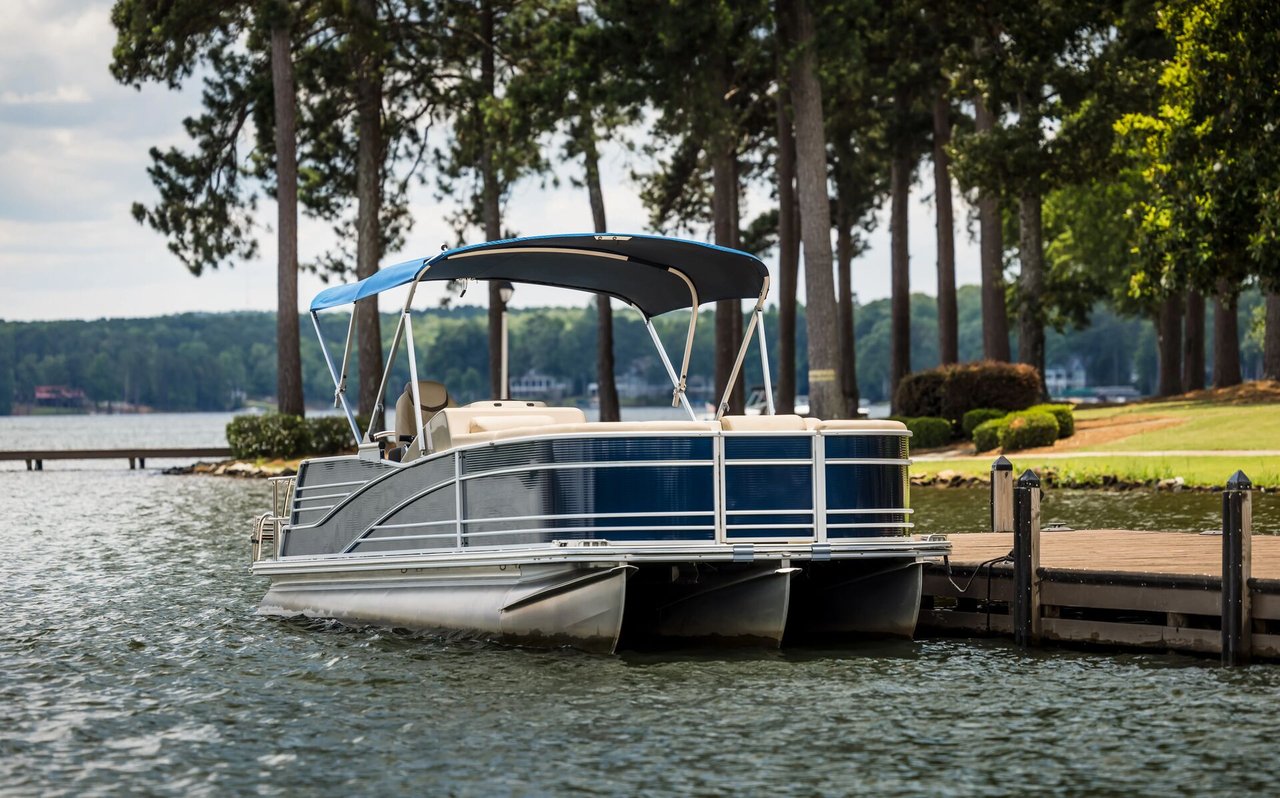
A buyer moving from a lake with fewer restrictions, or from a river community without a governing body at all, should check the permitted watercraft list before assuming a favorite boat fits community rules. WLIC permits pontoon boats, sailboats, iceboats, rowboats, canoes, kayaks, manually propelled water bikes, paddle boats, runabouts, deck boats, sailboards, and paddleboards. What's specifically prohibited: hydroplanes, powered jet skis, wet bikes, and any watercraft built for speed or racing.
Allowed on the water:
- Pontoon boats, sailboats, and runabouts
- Canoes, kayaks, and paddleboards
- Rowboats, deck boats, and manually propelled water bikes
Not allowed:
- Powered jet skis and wet bikes
- Hydroplanes
- Watercraft built specifically for speed or racing
For a family used to towing a jet ski behind the truck on summer weekends, this is worth knowing before the moving truck arrives, not after the first trip to the water.
What This Means If You're Under Contract
The practical version of all of this comes down to a short list of questions worth asking before you're locked into a closing date. Get the WLIC tier classification in writing rather than relying on the listing description alone. Confirm directly with the seller whether the existing dock transfers with the sale, and get the Dock Transfer fee terms in writing before you sign anything. Ask when the dock was last inspected and whether it's currently flagged as grandfathered, since that status can change the moment ownership does. If a replacement looks likely down the road, treat dock sourcing as a real line item in your budget rather than something you can shop around for outside the lake.
None of this shows up when you're scanning price per square foot across Northland lake and river communities. It shows up once you're reading WLIC's own rules and fee schedules, and by then most buyers are already picturing themselves standing on that dock.
Weatherby Lake rewards buyers who ask about the water rights before they ask about the finishes. If you're weighing a First Tier listing here against another lake or river community in the Kansas City area, Joseph Pfannenstiel can help you read the WLIC paperwork before you're under contract, not after you've already fallen for the view. Contact Us.